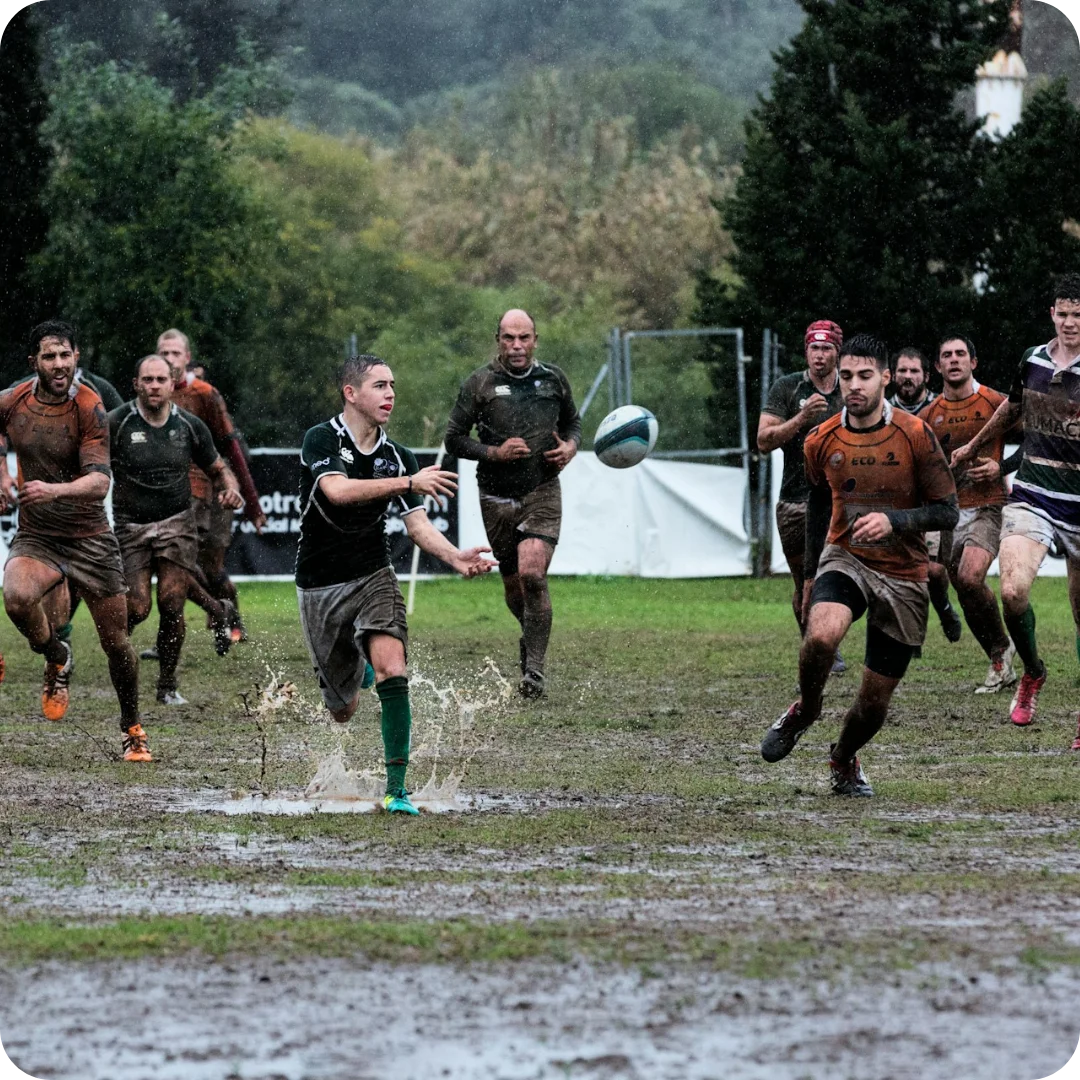
In 2008, whilst at university, I was an intern Strength and Conditioning Coach (S&C) at Leeds Carnegie RFU. I researched, developed, and delivered the first team strength sessions for 1st team and injured players during the Premiership season.
At the time, S&C was where I saw my career going, but it’s uber competitive.
My manager, Steve ‘Scrapper’ Carter (rest in peace, Scrap), told me something that has echoed in my mind ever since. The future of sports performance wasn’t about who trained the hardest or had the best kit. It’s about who recovers the best.
Those who recover, perform.
It completely changed my perspective on conditioning and ultimately led me to my uni dissertation topic. Recovery is not the opposite of work, it’s the foundation that makes high performance possible.
I never did go into S&C, I found my calling in public health, but that’s a story for a different day.
Fast forward to workplaces today and the lesson still holds.
Burnout is at record levels. Stress is normalised. Too many organisations rely on mental health days as a one off pressure valve instead of building a culture where rest, recovery, and psychological safety are the norm rather than a last resort.
If we truly want sustainable performance, wellbeing cannot be treated as an afterthought. It must be systemically designed into how we work.
Burnout is no longer the exception. It is disturbingly common.
That’s around 8.5 million people whose wellbeing is directly undermined by the way they work.
Those kinds of numbers just blow my mind.
Traditional wellbeing strategies are not solving the issue. Many focus on individual fixes such as resilience workshops or mindfulness apps. These are helpful but insufficient because they treat symptoms rather than causes.
If someone is overwhelmed by unrealistic workloads, an app won’t change that. I’ve done some work in the NHS in my time, a collection of organisations that I love, but what use is a Headspace account when colleagues don’t have time to go to the toilet?
Whilst managers play a role as influential as a partner or spouse when it comes to employee wellbeing, many still feel unprepared. It’s not their fault; it’s ours as People professionals. They lack confidence, training, or time to offer genuine support.
When rest and recovery are not embedded into culture, employees quietly slide into depletion. Stress becomes the silent operating system of the business.
The retention risks are equally staggering, with 78% of UK workers saying they would quit their job due to stress. Burnout does not simply make people tired. It makes them leave, and costs anywhere between 50-200% of their annual salary to replace.

That's enough doom and gloom, I think we all get the picture now.
The answer to this challenge isn’t another wellbeing poster. It is a cultural redesign grounded in rest, recovery, and psychological safety.
It doesn’t need to cost a fortune. Using the Me, We and Us framework, let’s look at how we can shift from reacting to burnout to preventing it.
Supporting individuals to understand and protect their energy
Employees need permission and encouragement to take breaks, annual leave, and mental health days without feeling guilty. I recognise that this is a big nut to crack for many of you in large organisations but it’s where we need to start.
It is time to move away from the tired work life balance debate, a term I’ve sat on my soap box about for years. The better question is whether people have a sustainable long term energy budget. Energy depletes and replenishes. When leaders normalise this reality, employees stop feeling ashamed for needing rest.
Micro breaks matter too. Ten minute pauses can reduce fatigue by more than a third and boost performance by sixteen percent. These small ruptures in intensity create space to breathe, reset and think clearly again.
Building supportive teams and preparing managers to lead with empathy
This is where the magic happens. Teams thrive when managers understand how to recognise early signs of burnout and hold compassionate, non judgemental conversations. Empathy and curiosity must replace interrogation or defensiveness.
Flexible work design, wherever possible, is also essential. Longer lunch breaks for movement, adjusted deadlines during high pressure moments, and the ability to restructure workload can make the difference between coping and crashing.
Simple structural practices such as no meeting Fridays reduce cognitive overload and give employees uninterrupted deep work time. This protects focus and reduces the relentless switching that drains mental energy.
Psychological safety is central. When people feel safe, they speak up early. When they speak up early, problems get solved before they erupt. Without this foundation, wellbeing initiatives can’t take root.
Embedding rest and recovery into the operating system of the organisation
A culture of rest doesn’t emerge by accident. It needs to be embedded into everyday operations. This requires leadership commitment and frameworks that bring wellbeing into everyday practice.
We champion the Five Ways to Wellbeing interwoven with the Me, We, and Us framework. These models help organisations move beyond surface level gestures and embed rest, connection, and recovery into the whole system.
There are a few options to choose from but one practical tool that we created is the Conversation Canvas, which equips managers to hold structured wellbeing conversations that feel human rather than clinical. This ensures challenges are spotted early, expectations are clear, and support is proactive.
When organisations treat rest as strategic, not soft, people flourish. Morale climbs. Engagement strengthens. Work becomes a place where people want to be rather than need to be.

Scrapper was right (although I’d never tell him), recovery powers performance. The teams who recover are the teams who succeed, and the same holds true in every workplace around the world.
To build sustainable cultures of performance, we need to stop treating rest as a perk and start treating it as the engine of productivity.
Employees need space to replenish their energy. Managers need training to notice burnout before it spirals. Organisations need systems that make psychological safety the norm.
If we want our managers to confidently recognise burnout and support employees with compassion and clarity, Joy Junction can help. Our line manager training builds the skills, mindset and practical tools needed to create cultures where rest and recovery are genuinely valued. Let’s equip your managers to help your people thrive.
.webp)

.avif)
