How to prepare your NHS Trust for the new Workplace Health Intelligence Unit mandate
Key Takeaways
The Compliance Crisis: The July 2026 NHS Staff Standards and the Workplace Health Intelligence Unit (WHIU) require Trusts to adopt standardised data tracking and professionalised management at a time when national burnout has slipped to a critical 4.98 out of 10.
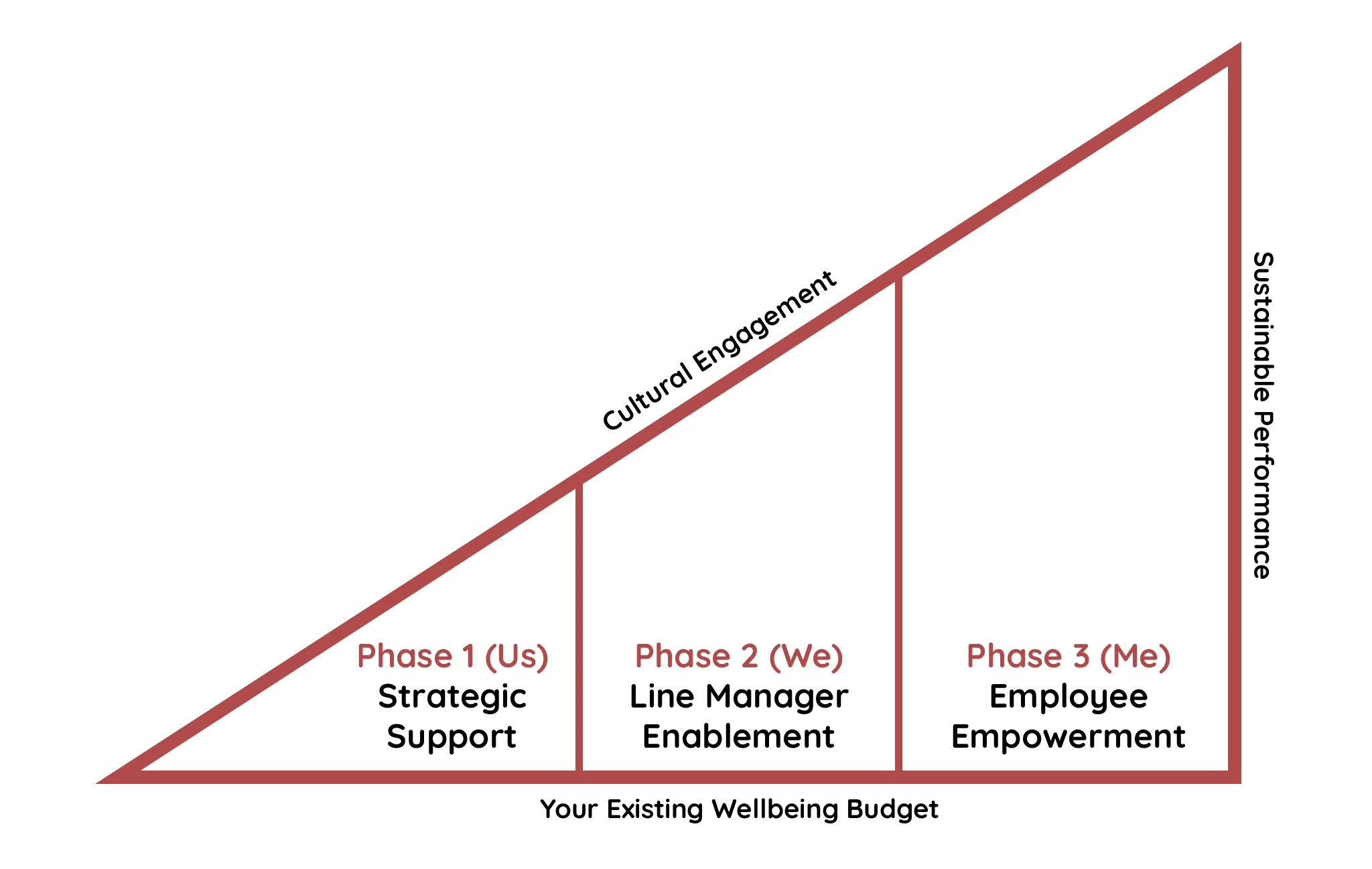
The Strategic Fix: The Joy Junction Method provides a zero-budget roadmap to transform fragmented perks into a unified proposition across three distinct operational levels: Us (organisation), We (managers), and Me (individuals).
The Cost of Delay: Trusts that fail to transition from reactive box-ticking to proactive care face public data exposure, direct regulatory penalties under the NHS Oversight Framework, and escalating recruitment costs.
Executive Summary
This long read synthesises the statutory requirements of the NHS Staff Standards (July 2026) and the Workplace Health Intelligence Unit (WHIU) guidelines with the findings of the March 2026 NHS Staff Survey results.
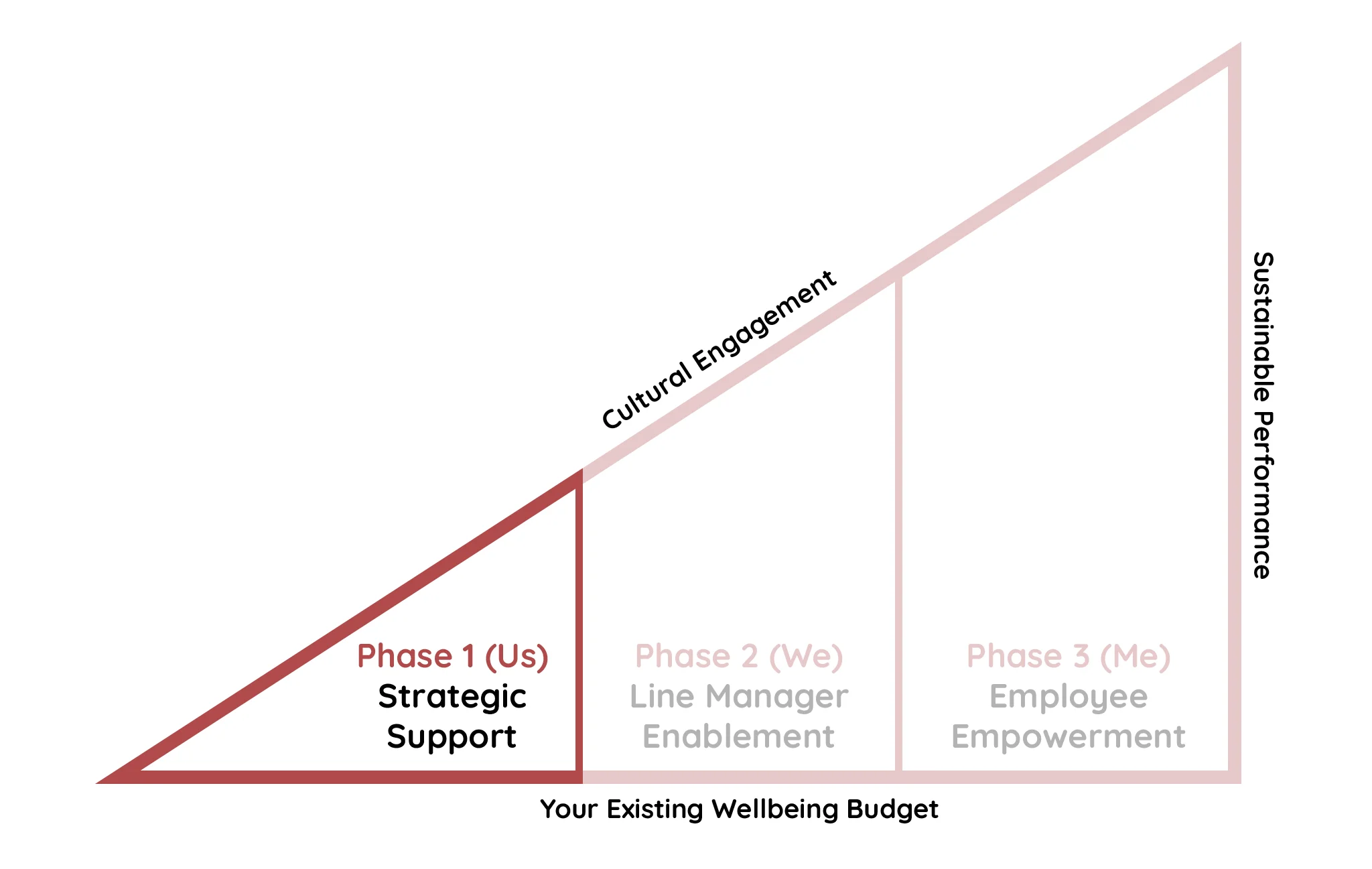
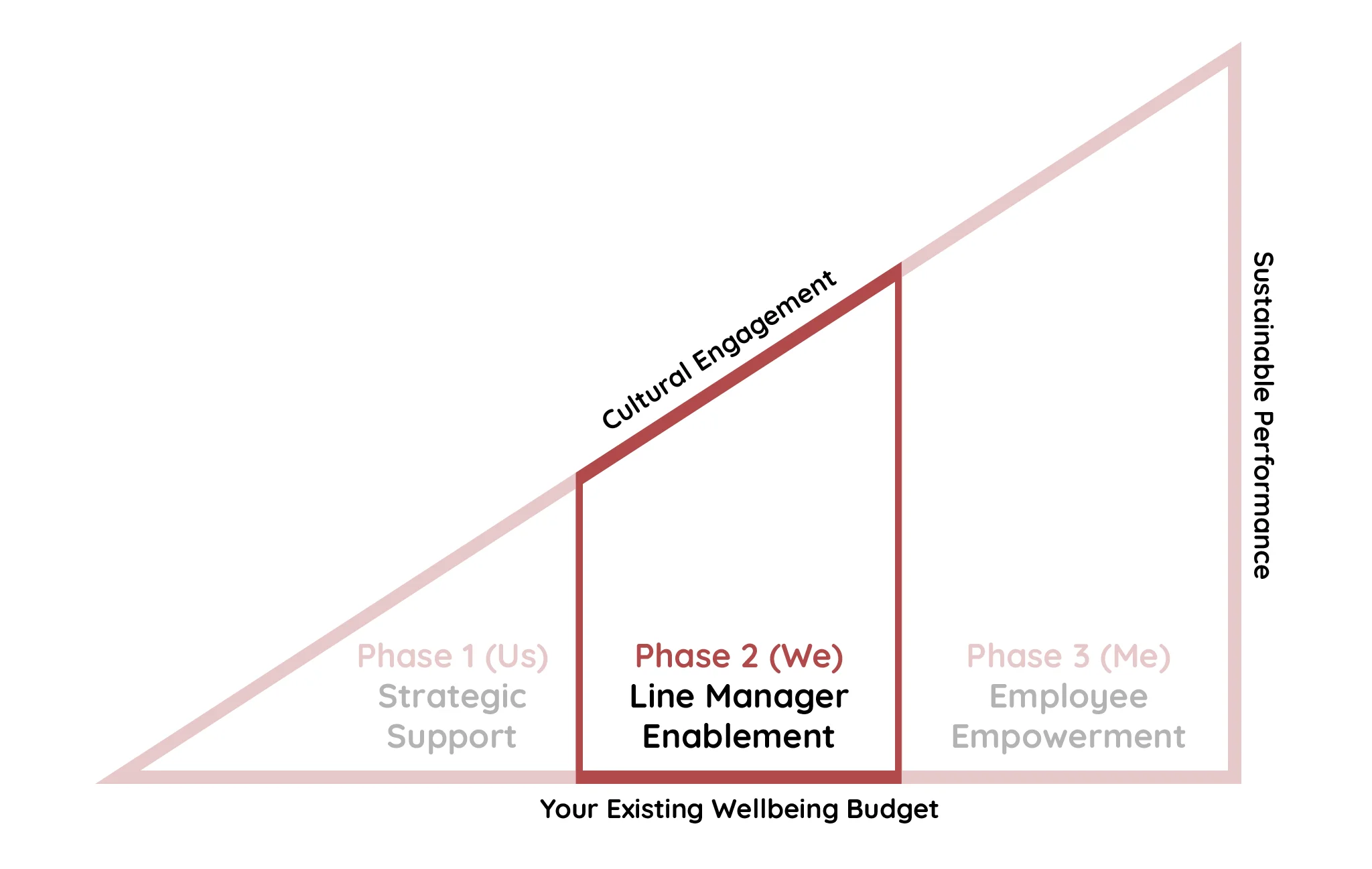
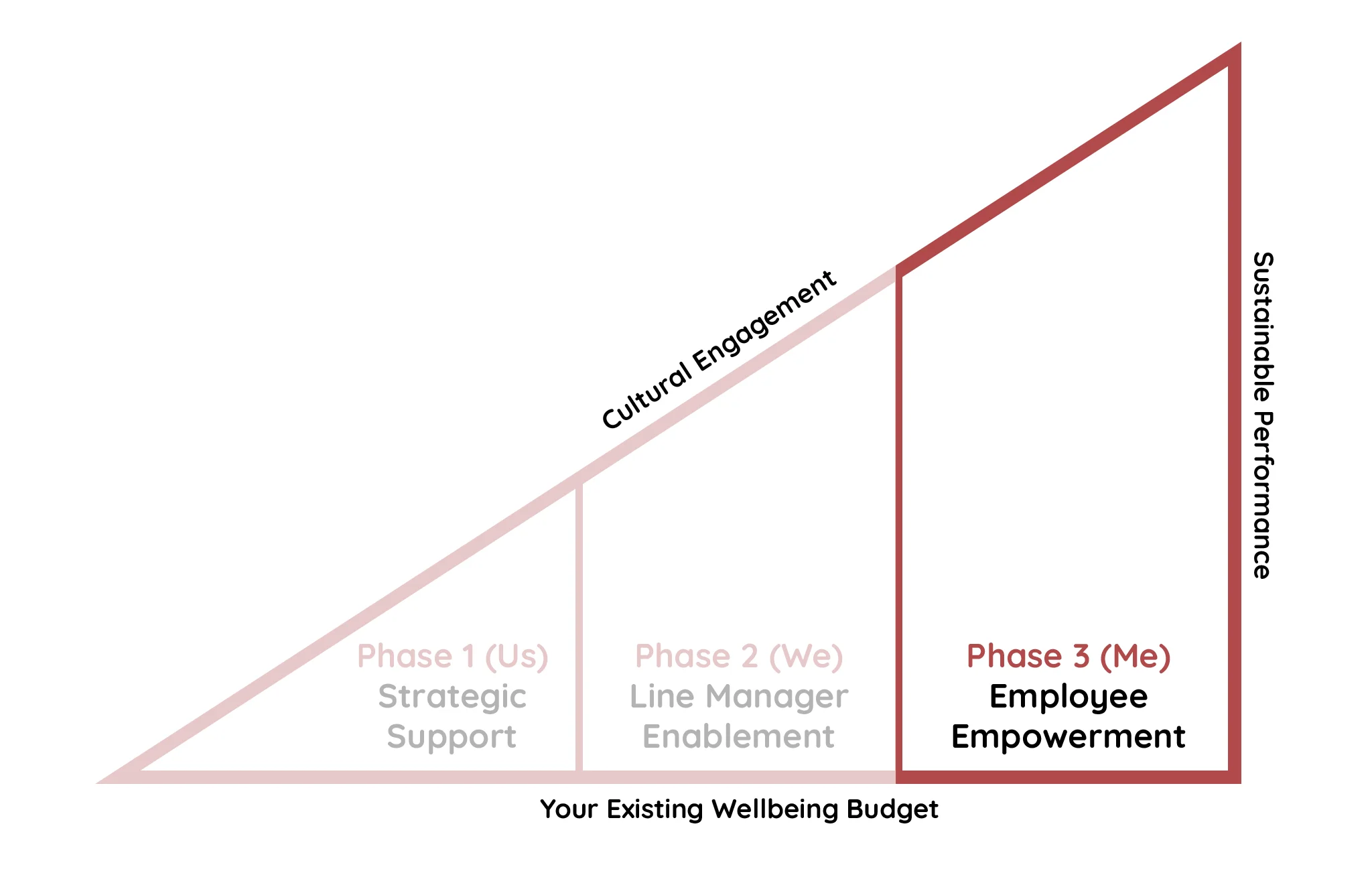
Rather than deploying fragmented, high-cost software or reactive interventions, this plan uses the Joy Junction Method, our tried and tested framework structured across three levels: Us, We, and Me. This approach allows NHS Trusts to achieve (and exceed) regulatory compliance and improve retention without increasing existing wellbeing budgets.
Phase 1 (Us): Strategic Support & Organisational Foundation
The "Us" level establishes the corporate and structural layout of the Trust's wellbeing proposition. It requires senior leadership to clear away digital clutter, coordinate disparate benefits, and establish clear pathways for early intervention.
1. Policy & Data Context
The Mandated Changes: The WHIU enforces the collection of standardised data on sickness absence and return-to-work outcomes to make organisational health metrics fully transparent and benchmarkable across sectors. Concurrently, the NHS Staff Standards mandate board-level oversight to eliminate systemic barriers faced by line managers.
The Survey Reality: Trust institutional advocacy is dropping. The national Staff Survey indicates that only 71.78% of staff feel patient care is their organisation's top priority, and just 58.05% would recommend their Trust as a great place to work. Further, satisfaction with how the organisation values employee contributions has declined to 42.95%.
2. Immediate Next Steps (0–6 Months)
Conduct an Asset Inventory Audit: Pull together all primary services (such as Employee Assistance Programmes, Occupational Health, or Cycle to Work Schemes) and overlooked secondary benefits (such as family portal access, legal helplines, or specialised nurse lines) onto a cloud-accessible service map. A simple Google Sheet is more than sufficient. Centralising current services onto a single page directly addresses the user journey confusion that repels staff.
Establish WHIU Compliance Infrastructure: Realign internal HR information systems to capture return-to-work outcomes and long-term sickness indicators in the uniform reporting styles required by the national framework.
3. Long-Term Next Steps (6–12+ Months)
Transition from Reactive to Preventative Models: Shift the occupational health focus away from relying solely on lagging sign-offs toward early, structured interventions.
De-sterilise Physical Treatment & Staff Break Workspaces: Use participative workspace improvements where possible, such as natural lighting, greenery, and staff-led aesthetic projects, to decrease absenteeism and improve focus.
Phase 2 (We): Line Manager Enablement & Team Dynamics
The "We" level is where systemic changes directly influence daily staff experience. Managers hold significant influence over employee mental health; this phase provides them with practical communication frameworks rather than expecting them to act as clinical therapists.
Appraisal Paradigm Shift
The required shift moves the workplace from an outdated appraisal model focused solely on a cold rundown of KPIs, targets, and an anxiety-inducing audit culture where human factors are left unsaid, to a human-centred, wellbeing-led model structured around empathy, trust, development, and clear objectives agreed via meaningful conversations.
1. Policy & Data Context
The Mandated Changes: NHS Standards dictate that line management duties must be professionalised and allocated sufficient, protected time within official job plans. All managers must complete the NHS Leadership and Management Framework self-assessment.
The Survey Reality: While manager empathy scores remain stable (70.25% feel their manager works with them to understand problems), the appraisal process remains transactional. The appraisal's sub-score has reached a five-year high of 4.90 out of 10, and a record 86.42% of staff received a review. However, only 26.01% say it definitely helped improve how they do their job, and a mere 32.86% left the meeting feeling valued by their organisation. This gap mirrors why high-performing people leave. Additionally, work relationships are under strain, with only 46.73% of staff reporting that workplace relationships are rarely or never strained.
2. Immediate Next Steps (0–6 Months)
Implement the Conversation Canvas: Move away from target-only appraisal forms. Train managers to structure regular one-to-one meetings around wellbeing indicators, integrating the Five Ways to Wellbeing framework into checking in on staff members.
Audit Manager Job Plans: Work alongside department heads to build protected blocks into manager rosters, ensuring they have the literal capacity to deliver meaningful conversations.
3. Long-Term Next Steps (6–12+ Months)
Roll Out Professional Signposting Competency Training: Equip managers to navigate the centralised Google Sheet created in Phase 1. This gives them the confidence to direct a struggling employee to the right service, at the right time.
Establish Regular Check-In Schedules: Enforce a baseline requirement that comprehensive, two-way wellbeing conversations take place at least once every 12 weeks, supported by brief check-ins during weekly team meetings.
Wellbeing cannot be imposed from the top down; individuals must be given the autonomy and practical frameworks to take charge of their own health, work design, and personal energy budgets.
1. Policy & Data Context
The Mandated Changes: Frameworks place heavy emphasis on flexible working patterns, personalised support plans, and individual psychological safety to prevent chronic burnout.
The Survey Reality: Individual fatigue is critical. The national burnout sub-score has worsened, dropping below 5 to 4.98 out of 10. A staggering 56.01% of staff admit to attending work in the past three months despite not feeling well enough to perform their duties. Further, 43.03% feel worn out at the end of every shift, 35.05% find their duties emotionally exhausting, and career development satisfaction has fallen to a low of 51.15%.
2. Immediate Next Steps (0–6 Months)
Incorporate the Five Ways to Wellbeing Model: Run practical, low-admin group sessions that introduce the five core pillars (Connect, Be Active, Take Notice, Keep Learning, Give). Encourage staff to define what these pillars mean to them personally.
Incorporate Peer Accountabilities: Introduce simple peer-to-peer buddy systems where employees set a small wellbeing action and check in with a colleague over a four-week period to maintain momentum.
3. Long-Term Next Steps (6–12+ Months)
Embed Natural Working & Boundary Flexes: Reframe the flexible working dialogue away from location-specific debates toward finding a balance that supports work-home harmony. Train individuals and teams to build sustainable long-term energy budgets.
Normalise Micro-Recovery Practices: Encourage staff to take 10-minute mental pauses and micro-breaks throughout their shifts. This baseline step is proven to reduce shift fatigue by over a third and protect clinical focus.
Repercussions of Not Taking Action
Trust inaction leads to a destructive cycle.
Unaddressed issues drive accelerated burnout and staff resignations, which fuels massive presenteeism with staff working while unwell. Ultimately, this results in severe regulatory penalties because National Staff Survey metrics are fed directly into the structural oversight framework.
Direct Regulatory Penalties: Because the 2026–2027 NHS Oversight Framework integrates targeted National Staff Survey (NSS) questions as scoring metrics, failing to act will lead directly to low governance ratings and increased regulatory intervention.
Public Exposure of Poor Performance Data: The WHIU's centralised publication of standardised sickness and return-to-work metrics means underperforming Trusts will face public scrutiny, making it much harder to recruit top talent.
Compounded Workforce Depletion: With 56.01% of the workforce currently operating while unwell and burnout scores actively declining, continuing an outdated approach will accelerate staff turnover. Replacing departing staff costs between 50% and 200% of their annual salary, meaning a failure to build connection will create a severe financial drain.
Right now, your Trust is likely sitting on a fractured, complex web of wellbeing apps, employee benefits, and toolkits that your workforce is ignoring or unaware of. Meanwhile, the silent operating system of the NHS continues to run on stress, physical depletion, and transactional, metric-heavy appraisals that force your best talent to hand in their notices.
If your managers are left stranded without protected time or human-centred tools, your baseline retention will continue to crater, costing the Trust hundreds of thousands in agency coverage and recruitment friction.
Meeting and Exceeding the 2026 Standards
Adopting these recommendations will get an NHS Trust exceptionally close to meeting the strict new guidelines, and in terms of cultural impact and staff retention, it will absolutely exceed them. However, there is a small but vital caveat to keep in mind regarding formal regulatory compliance.
How it Meets the 2026 Standards
The Joy Junction Method directly targets the exact structural pain points highlighted by the Department of Health and Social Care and the WHIU.
Fixes the Empty Appraisal Metric: The Staff Survey reveals a glaring compliance box-ticking issue: appraisal coverage is high (86.42%), but only 26.01% say it actually helps them do their job. Supporting appraisals with the Conversation Canvas directly addresses the standard’s mandate for high-quality appraisals with meaningful feedback and clear objectives by embedding these targets into standard one-to-ones.
Operationalises Supportive Leadership: The new framework requires employers to ensure managers have the skills and capacity to support staff wellbeing. By auditing clinical job plans to protect management time and explicitly training leaders as professional signposters, you meet the NHS Oversight Framework metrics for supportive and compassionate leadership.
Satisfies WHIU Data Requirements: The Phase 1 cloud-based map aligns perfectly with the WHIU's push for standardised data collection on sickness absence and return-to-work outcomes.
How it Exceeds the Standards
Most Trusts will approach these updates defensively, doing just enough to avoid regulatory penalties. Using this method shifts your strategy from defensive compliance to competitive advantage.
From Break Glass to Proactive Powerhouse: The standards focus heavily on managing people after they become unwell. This method overhauls that entirely by reframing resources like the Employee Assistance Programme (EAP) as everyday tools for life admin, legal advice, and proactive coaching, which removes the psychological stigma of seeking help.
Introduces Micro-Recovery: While the NHS standards talk broadly about workload, this model introduces practical, zero-cost energy budgeting, such as normalising 10-minute micro-breaks, which are proven to reduce shift fatigue by more than a third.
Promotes Personal Responsibility: Rather than treating staff as passive recipients of a corporate benefit, frameworks like the Five Ways to Wellbeing and Me, We, Us empower individuals to co-design their own work patterns and take active ownership of their own flourishing.
What Else Is Needed?
While this method beautifully addresses the wellbeing, leadership, culture, and data-mapping aspects of the mandates, it cannot stand entirely alone. To achieve 100% compliance, the Trust's HR function must plug this framework into its foundational, statutory machinery:
Trade Union Partnerships: The NHS Line Management standard explicitly requires employers to work in partnership with trade unions to review culture trends and health and safety risk assessments. Your union representatives must be consulted when rolling out changes to appraisals or job plans.
Public Sector Equality Duty (PSED): The statutory updates require formal Equality Impact Assessments to ensure career progression and management support are fair and inclusive across marginalised or under-represented groups.
Strict Legal Safeguards: The standards include highly specific requirements regarding physical violence reduction, sexual safety, and tackling institutional racism.
The Joy Junction Method provides the heart, the human framework, and the communication engine that the new NHS standards desperately need to actually work on the ground. If you wrap this method around your Trust's existing legal compliance, PSED tracking, and union consultation structures, you will not only meet the 2026 standards, you will set the national benchmark for healthcare workplace culture.
Turn Fragmented Perks into a Preventative Powerhouse
You do not need to ask leadership for a bigger budget. You need a clear, un-cluttered framework that unlocks the immense, hidden value of the investments you have already made. It is time to move away from the sterile, anxiety-inducing methods of the past and embrace a future where work serves as an energy-giver, not an energy-drainer.
Contact Gary Butterfield at Joy Junction today to schedule a service review and put the Joy Junction Method into practice.
Together, we will create a remarkable place to work with healthy and happy people.
About the author
Gary Butterfield
Founder, Joy Junction
Gary, a very proud Yorkshireman, is Founder of the Leeds-based employee wellbeing consultancy, Joy Junction, which he founded in 2023.
Unleash joy.
Today is the day to create a culture where people thrive and performance follows. Make employee wellbeing part of your everyday employee experience and see the different it makes.
.png)

.webp)

.avif)
