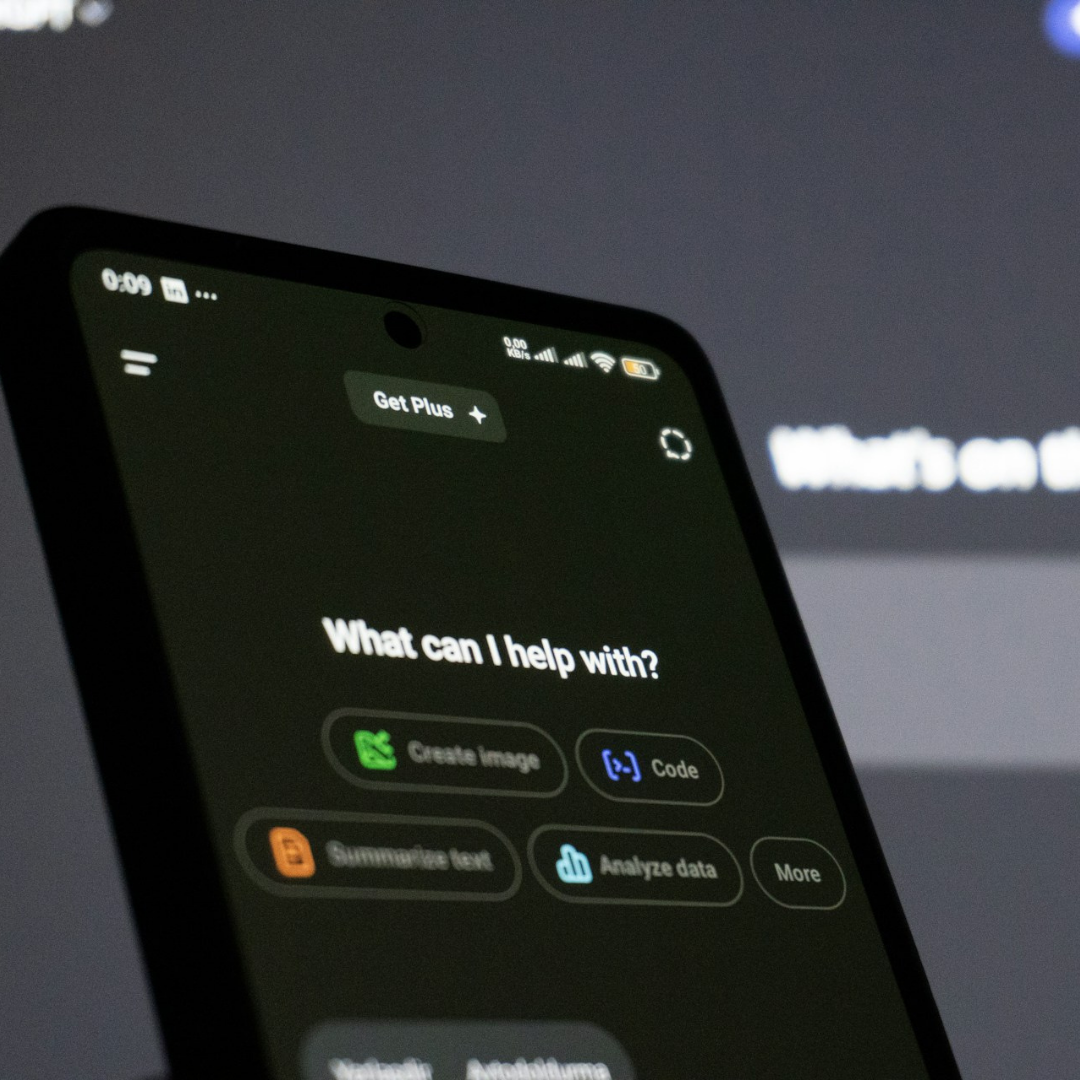
I saw a poll by Mind recently asking people whether artificial intelligence (AI) affected the way they seek help for mental health. At the time of writing, after 554 respondents, 15% said they use AI often. Another 27% said they use it sometimes, but a staggering (although not surprising) 58% said they never use it.
These statistics are interesting on their own, but what I found most fascinating were the comments.
The general consensus was quite fierce. People argued that AI should never be used for mental health support. Many stated it should be banned under any circumstance.
I understand the reasoning. AI aims to please. It can hallucinate. There is a very clear risk of a generative model exacerbating severe issues by blindly agreeing with a distorted worldview. However, despite this, I firmly believe that taking a 'not under any circumstance' approach is not only privileged, but potentially dangerous.
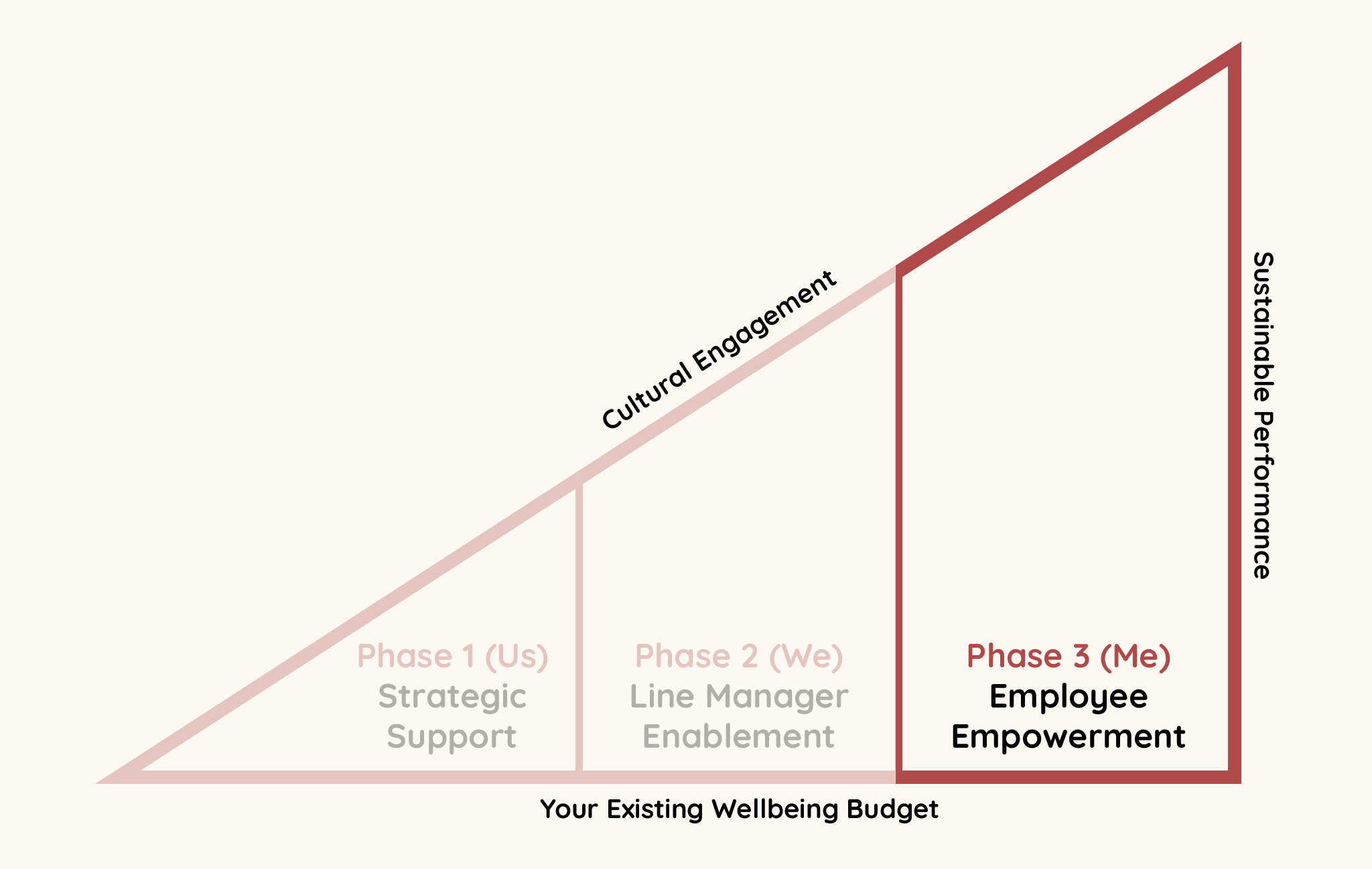
Phase 3 of the Joy Junction Method focuses entirely on employee empowerment.
If we truly want to help our people move from being passive recipients of corporate benefits to active participants in their own flourishing, we have to give them the autonomy to choose how they seek help. We can’t dictate how they take those first, sometimes scary steps toward emotional regulation.
We live in a society where traditional therapy is expensive, waiting lists are excruciatingly long, and Employee Assistance Programmes are often heavily underutilised. Not everyone has the opportunity, financial means, or confidence to talk about their mental health at work, or at home. Whilst significant headway has been made in recent years, there is still a heavy stigma against support groups and opening up about vulnerability. This stigma is particularly prevalent in men.
Demanding that people only seek human help ignores the very real, very human barriers that prevent them from reaching out in the first place.
Evidence strongly supports a much more nuanced approach. Research explicitly states that digital interventions are particularly important for population groups with restricted social opportunities or those who are reluctant to share due to stigma. There’s a greater willingness to disclose information to a non-human companion, which allows users to feel heard and understood.
This isn't about replacing human connection. Far from it. It’s about empowering employees to take control of their mental health, in a way that works for them.
The path to seeking help is individual.
When you are struggling, the thought of picking up the phone to an Employee Assistance Programme can sometimes feel insurmountable. People may worry about crying down the line, articulating their thoughts incorrectly, being judged by the operator, or, all too often, that the conversation will get back to their employer.
An AI interface removes that friction. You can type out your darkest frustrations at three in the morning if you want to. The model does not sigh, it does not interrupt, and it does not judge. It simply reflects your thoughts back to you, helping you untangle the chaos in your mind.
I know this first hand because I’ve used them for this purpose myself.
Whilst I would never recommend taking medical advice from AI models at face value, in the absence of the opportunity to speak with another person, these chatbots provide a remarkably good opportunity for someone to offload.
This initial step of digital offloading can provide the emotional regulation required for an employee to regain their agency, process their immediate anxiety, and eventually feel empowered to speak to a real person.
If individuals are empowering themselves by using digital tools to cope, teams and line managers must understand how to integrate this reality into everyday work.
We cannot expect managers to act as trained psychologists; the pressure on middle management is already immense. But managers do need to act as compassionate signposters.
If an employee has used AI for employee mental health to process their initial anxiety, they might approach their manager with a clearer understanding of what they need. Maybe they need an adjustment to their workload, or perhaps they need flexible hours to manage a personal crisis.
Managers have to cultivate the psychological safety required to welcome these conversations. When a team member admits they are struggling, the response should never be a panicked referral to an outsourced service. It should be a curious, empathetic conversation about how the team can support them, and what wellbeing services would be genuinely helpful.
By normalising the use of digital tools as a valid starting point, managers can encourage colleagues to articulate their needs. This bridges the gap between silent suffering and professional intervention.
Organisations must take a holistic view of this technological shift.
The solution is not to replace humans with AI chatbots to save money. The goal is to build a systemic ecosystem where technology lowers the barrier to entry for human connection.
We need to build workplace cultures that embrace these digital interventions as a valid form of preliminary support. Organisations should actively encourage employees to use every vetted tool at their disposal to manage their mental health, including AI.
By integrating these options into the wider wellbeing strategy, companies provide a safety net for those who fall through the cracks of traditional support systems, all without needing to increase existing budgets.
I don’t think AI will ever be as impactful as talking to a real person. Human connection remains the pinnacle remedy for workplace isolation. But in its absence, we should be opening doors, not closing them. We must empower people to use AI as a tool for emotional regulation and triage from there.
Embracing AI for employee mental health ensures that no colleague is left behind simply because they’re not quite ready to speak to a human.
Equipping your leaders to handle these nuanced conversations is critical.
If you want to ensure your management team can effectively triage employee challenges and build genuine psychological safety, download our Conversation Canvas today.
We provide the practical frameworks your team needs to lead with empathy and clarity.

.webp)

.avif)
